By Mike Collins · 10 September 2026
 Mike Collins · Instructor, The Plumbing School · 10 September 2026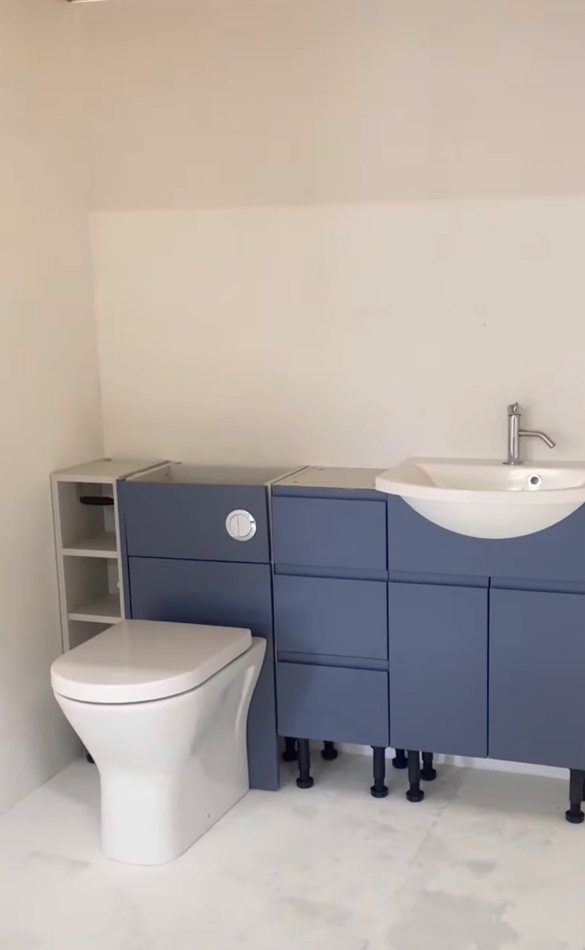
You flush, you walk off, and ten minutes later you can still hear it — a quiet hiss, or the cistern topping itself up when nobody has touched it. A toilet that keeps running is the most wasteful small fault in a house, and it’s nearly always one of two parts: the fill valve or the flush valve. Both are cheap. Both are designed to be swapped by anyone who can undo a nut. The skill isn’t the spanner work — it’s working out which of the two is guilty before you spend a penny. Here’s how I’d go about it.
Two things happen inside a cistern. The fill valve refills it after a flush and shuts the water off at the right level. The flush valve lets water into the bowl, then seals shut again. A running toilet means one of them has stopped doing its job — and each fails in a different way, which is what gives you the diagnosis.
The honest five-minute test: lift the cistern lid, put a few drops of food colouring in the water, and leave it alone for twenty minutes without flushing. If the colour finds its way into the bowl, water is sneaking past the flush valve — that’s your culprit. If the bowl stays clean but the water level in the cistern keeps creeping up until it drains away down the overflow tube in the middle, the fill valve is shutting off too late or not at all.
One more check before you buy anything: the water level. It should sit roughly a finger’s width below the top of that overflow tube. Set too high, a perfectly good fill valve will look faulty, because the surplus drains away constantly and the valve tops up forever. I’ve lost count of the “broken” toilets that were just set too high.
On a modern close-coupled toilet — the kind with a push button on the lid — the flush valve is a plastic body in the middle of the cistern with a rubber seal on the bottom. Grit from the mains, limescale, or simply an old, stiffened seal lets water creep past into the bowl. The fix is a new seal for a few pounds: isolate the toilet with its supply valve, flush to empty, unscrew, clean the seat it sits on, fit the new one. Half an hour for a first-timer.
If your cistern is older and flushes with a lever, you may have a siphon instead of a drop valve. Same diagnosis logic, different part — the large washer or diaphragm inside the siphon body is usually what’s gone. Take a photo of what you find before you go shopping; cistern parts aren’t universal, and a photo gets you the right one first time.
If the dye test pointed at the fill valve, two possibilities. One: the shut-off level is set too high, which you fix by adjusting — bend the float arm down gently on an older valve, or slide the clip or turn the screw on the valve body of a newer one. Free fix, two minutes. Two: the valve itself has packed up, usually scaled up or worn after years of hard water. Replacement fill valves are cheap, widely available and standardised enough that one of two common types will fit. Isolate, undo the locknut underneath the cistern, swap it over, set the level, done.
Concealed cisterns. Plenty of modern bathrooms — like the back-to-wall setup in the photo above — hide the cistern behind furniture or a panel. The job itself is no harder, but you need the access panel to come off cleanly first. If there’s no access, you’re into cutting a hole in joinery you didn’t plan to cut, and that changes the shape of the job.
Seized fixings. The backnut on a fill valve lives in damp air for a decade. If it won’t shift with a careful grip and some penetrating oil, stop — shearing a fitting inside a ceramic cistern turns a cheap repair into a new toilet.
Not sure what you’re looking at? Send a photo before you buy parts. A wrong guess costs you a trip to the merchants and a part you can’t return.
My quick walkthrough of the whole job, with the isolation step spelled out, is chapter 6 of the free DIY plumbing guide — this post is the deeper version, the how and why behind it.
If you’d rather learn it on real cisterns with someone watching your back, toilets get proper hands-on time on the 3-Day Complete Plumbing Course (£550, maximum four learners at our Deeside centre) — you’ll strip, diagnose and rebuild them on the rigs until the logic is second nature. Already handy? Skills Club on Thursday evenings (£30) is the cheap way to keep practising on the same kit.
Staring at a cistern and not sure which valve you’ve got? Message me on WhatsApp on 07414 249796 — send a photo of the inside of the cistern and I’ll tell you which part to buy.